
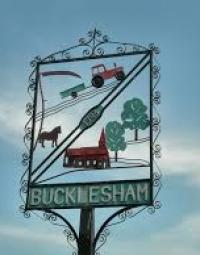
Probably the best village in the world

According to Defra (Biodiversity 2020), biodiversity is the variety of all life on Earth. It includes all species of animals and plants – everything that is alive on our planet.
Biodiversity is important for its own sake and has its own intrinsic value. A number of studies have shown this value also goes further. Biodiversity is the building block of our ‘ecosystems’ that in turn provide us with a wide range of goods and services that support our economic and social wellbeing. These include essentials such as food, fresh water and clean air, but also less obvious services such as protection from natural disasters, regulation of our climate, and purification of our water or pollination of our crops. Biodiversity also provides important cultural services, enriching our lives.
 The Council will consider sustainability, environmental impact and biodiversity when making decisions and will develop and implement policies and strategies as required.
 In particular, the Council will aim to improve the biodiversity Bucklesham village in the following ways:
The Council will:
 Land and property management
The Council has:
 Local community
The Council has:
 A tree stumps from the fallen poplar trees on the Playing Field have been left to provide habitats for insects and wildlife. The tree will continue to benefit birds, bugs, mushrooms and soil. This ‘snag’ is also a habitat for small mammals.
 Log piles have been made to encourage a range of wildlife including moss, fungi, insects and other invertebrates. It will also attract a range of small mammals, reptiles, amphibians, and birds that will visit to prey on the insect residents.
 We also have badger sets at the far end of the Field. Badgers’ role as ecosystem engineers contributes to habitat diversity, maintaining and regenerating soil health through foraging and sett building, and helping to disperse seeds through their dung. They create new habitats for amphibians, invertebrates and pollinators, and their setts provide refuge for other wildlife too.
 In 2022, we planted 420 saplings of a variety of native trees and hedgerows including Rowan, Ash, Oak and Elm along with fruit trees and bushes.
Although they are still quite small they will help with our efforts to mitigate against climate change in the years to come. We know that moths, birds, bats, dormice, butterflies, and fungi all depend on woods, trees and hedges to feed, breed and thrive.
 The woodland walkway that we created will boost the physical and mental health of our residents. As well as keeping our atmosphere rich in oxygen, they filter pollutants from the air, provide us with shade when it’s hot (possibly they will need to be a bit bigger for this bit!) and even improve our immunity. We know that chemicals released by plants and trees strengthen our immune, hormonal, circulatory and nervous systems when we breathe them in.
Trees also improve our quality of life - offering relief from the symptoms of anxiety and depression for many.
 Leaving an area at the top of the Field uncut allows grasses and other plants to seed and provide food for birds. Other plants and flowers we have in the summer months, such as daisies, provide nectar for hoverflies and bees. The bees will also make use of the buttercups to collect nectar and pollen. We have a huge variety of wild flowers in this area such as poppies, buttercups, cornflowers, knap weed and clover.
A large amount of ivy allowed to grow undisturbed on the poplar trees has provided a habitat for rare moths.
